

Bat Survey - Barn, Llanelli
Background
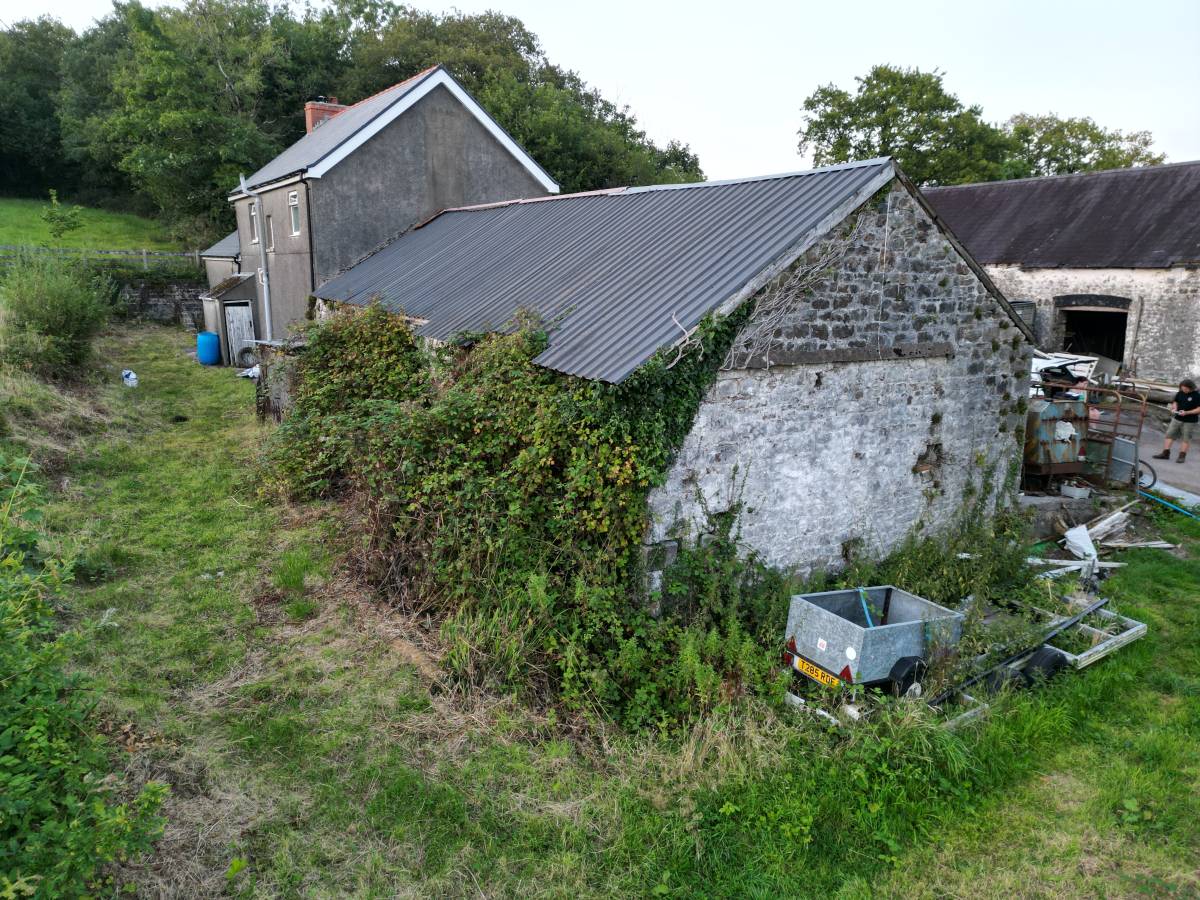
This stone barn is situated on acres of farm and woodland. The lovely family who own this land are bringing their children and grandchildren closer, converting the barn to a single-storey residential dwelling instead to allow space for the growing family. As such, we were called in to conduct a bat survey at the site to determine the bat usage of the barn.
Preliminary Roost Assessment
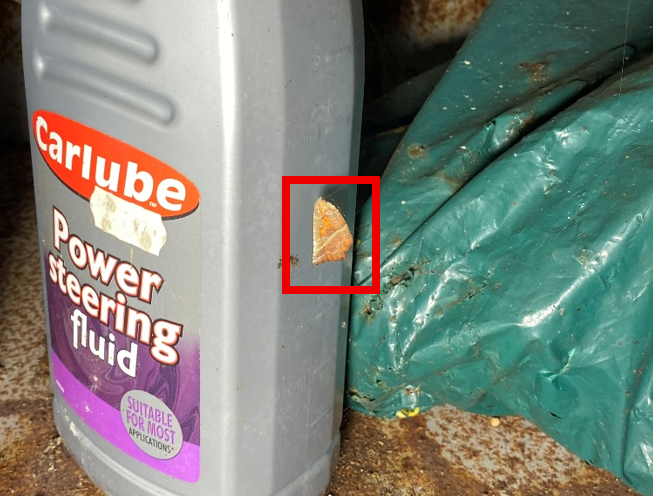
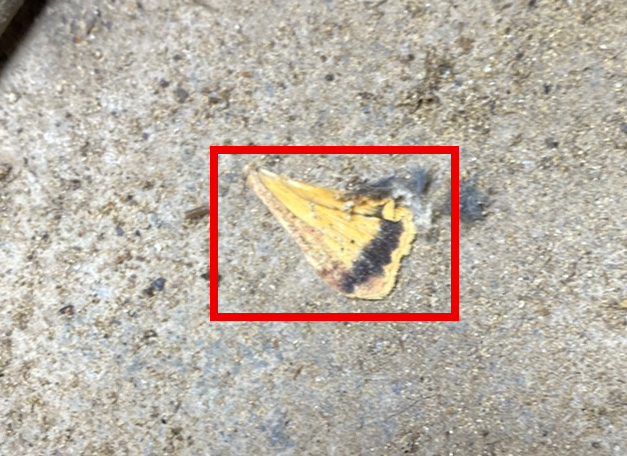
During our initial scoping survey of the barn, we found no shortage of access points into the building that could be used by bats. We also found evidence of feeding. All UK bats are insectivores, meaning that they feed on insects, including butterflies, moths, beetles, grubs, and many others. There are some parts of these insects that are inedible to bats - namely, the insects’ wings. Evidence that bats have been feeding in a roost often include butterfly and moth wings without the bodies. Throughout this barn, we found numerous butterfly wings, indicating that bats have been feeding inside.
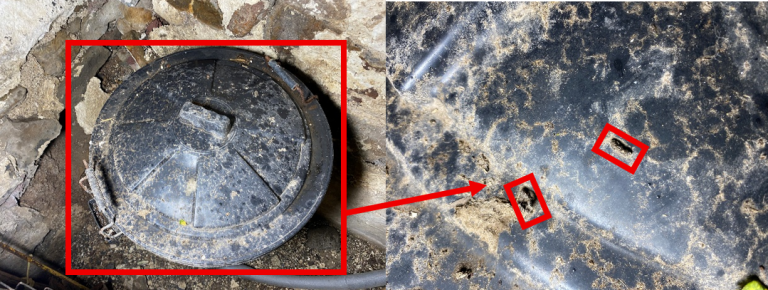
We also found several bat droppings scattered throughout the barn that were too degraded to be suitable for DNA analysis, but is further evidence of bat usage of the barn.
Dusk Emergence Survey
During our first survey, we recorded brown long-eared bats entering the barn through gaps at the top of doors. An internal camera captured these bats flying around the inside of the barn, and even recorded a bat eating an insect in mid-air! This confirms what the PRA indicated - that this is a feeding roost for bats.
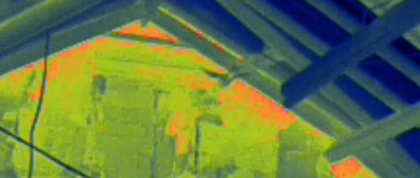
When we went back for a second visit, there was very limited bat activity around the site in general, and we recorded no bats entering or emerging from the barn.
This all changed during our third and final dusk emergence survey, when we recorded multiple pipistrelle bats emerging from the barn, and recorded brown long-eared bats entering the building to hang up, groom themselves, and forage again.
This variation in survey results is a great example of why multiple surveys separated by several weeks are so necessary, especially when it comes to roosts that are only occasionally used by bats. Surveying a building once is not sufficient to prove whether bats are present, as shown by the second survey we conducted - what if that was our only survey? We’d have to conclude there was no bat roost present. Nor is one survey sufficient to determine the full extent of bat usage, as it was only during the third survey that we found out that pipistrelles were also using the barn as a day roost.
Next Steps
When a proposed development involves the destruction of a bat roost, we put in place a mitigation plan which details how an alternative bat roost will be created so that bats do not permanently lose a home. Luckily, the mitigation for this project was fairly straightforward. Opposite this barn was another stone structure, this one with a pitched slate roof. We also set up some cameras and bat detectors around this other barn throughout our surveys, and bats seemed to prefer this barn to the barn that was our primary focus. As this other barn is remaining completely untouched, bats already have an alternative roost on site that they may have already explored. We will also be installing an additional bat box on site to act as an alternative roost.
For information about how we can help you with a similar project, please get in touch!