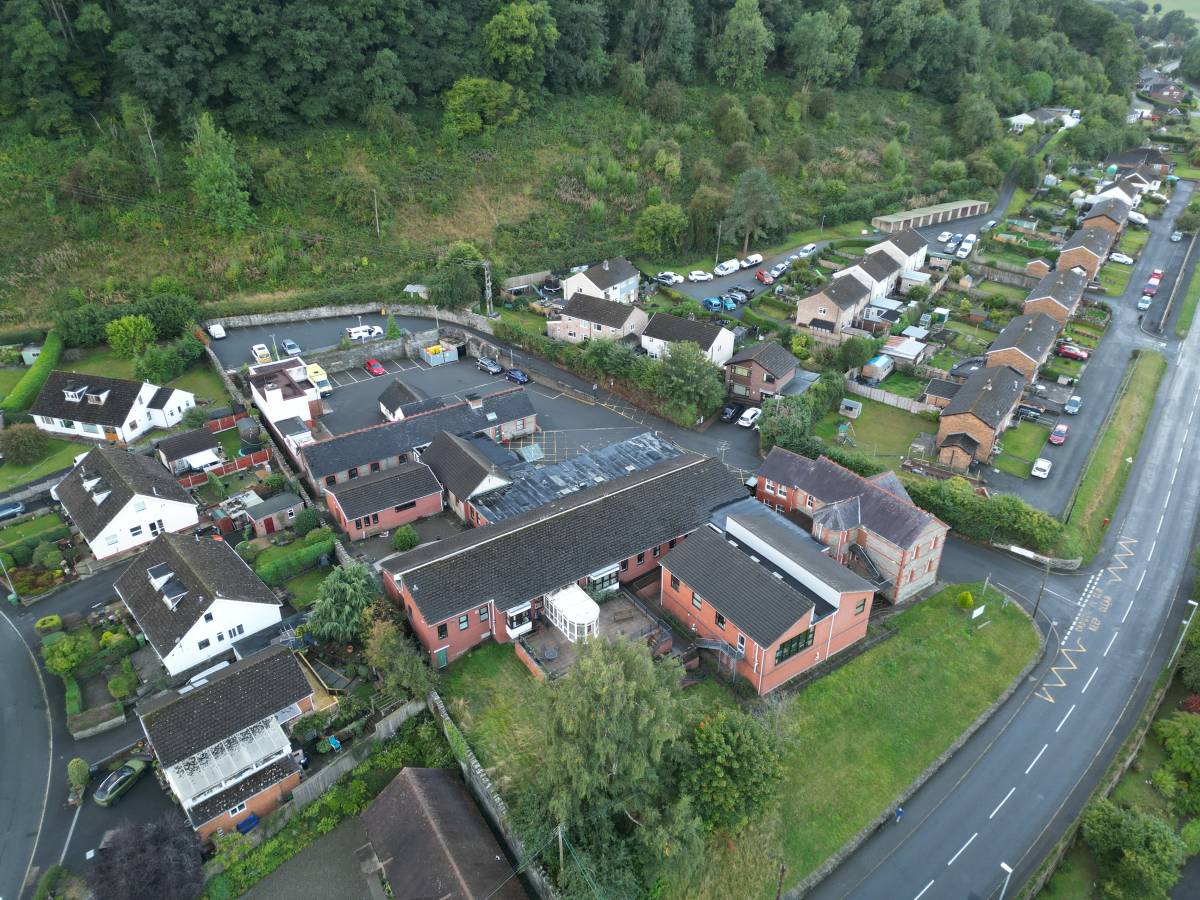


Bat Survey - Hospital, Powys
Background
This hospital requires a complete re-roofing of its main buildings. Although planning permission is not required to carry out a re-roofing, commissioning a bat survey is an easy way to ensure that you do not unintentionally commit a wildlife crime by accidentally destroying a bat roost, ensuring you are legally covered and that bats and their homes are protected.
Preliminary Roost Assessment
We did not conduct the initial scoping survey on this property. This was instead carried out by a separate ecological consultancy who found a single bat dropping on the exterior of one of the hospital’s walls, and documented multiple potential bat access points and roosting areas - including over eight different loft spaces!
This report helped inform our own surveys, including where to set up our cameras.
Dusk Emergence Surveys
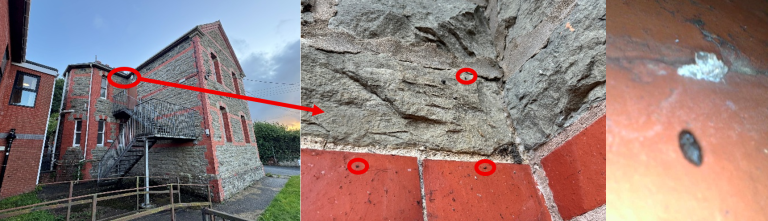
When we first visited the site, we did a quick walk over of the site to confirm what we read in the PRA report, seeing potential bat access points in person. We also inspected the area in which bat droppings were reported to have been found. We discovered a crevice between a stonewall and a soffit that was a perfect roosting feature for bats, below which were approximately 10 bat droppings. This indicated to us that bats had been using this feature between the initial PRA and our visit, although they appeared not to be there at the time.
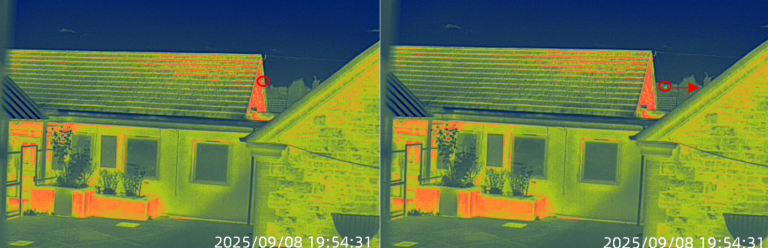
Over the course of the emergence surveys we discovered low numbers of common and soprano pipistrelles emerging from several gaps under a bargeboard.
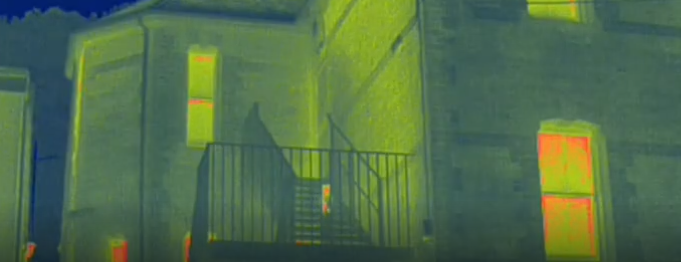
No bats emerged from the feature where we found the bat droppings, but interestingly, a domestic cat sat underneath this feature for around 10 minutes just after sunset. Perhaps this curious feline also knew bats tend to emerge from this area and was hoping to swipe one leaving for the evening.
Next Steps
We have confirmed that bats are roosting in this hospital in two separate locations. A European Protected Species licence was applied for, allowing the re-roofing to go ahead legally, with the stipulation that a bat ecologist will be on site when the bat roosts are altered. We also designed a mitigation plan, designing bat access back into the building to make sure bats do not lose any of their homes as a result of this development. We have designed mitigation measures that puts gaps back under the bargeboard that bats were recorded emerging from, and back between the soffit and the wall where the bat droppings were found, so when bats come back to roost next summer, they won’t be confused about where their roosts have gone. We have also added additional ridge tile gaps and access slates into multiple different sections of the roof, enhancing the roosting opportunities for bats.